


































The Woven-Grain Crossover
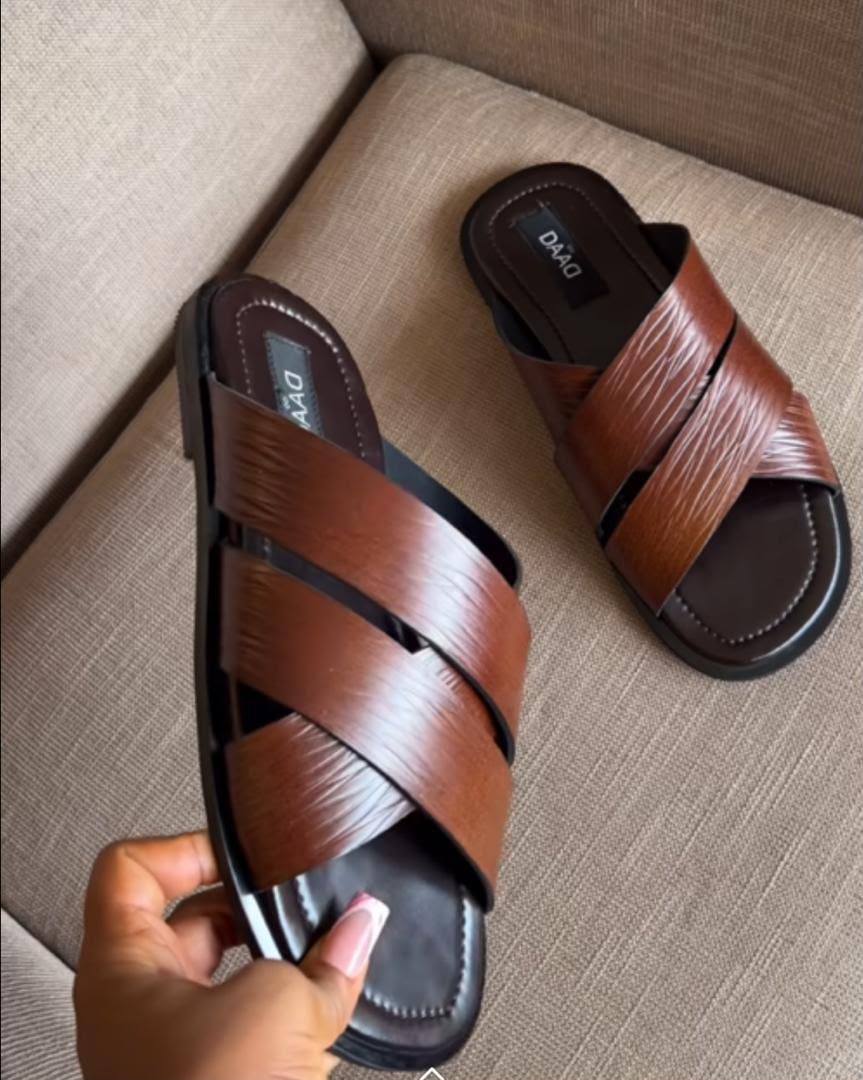
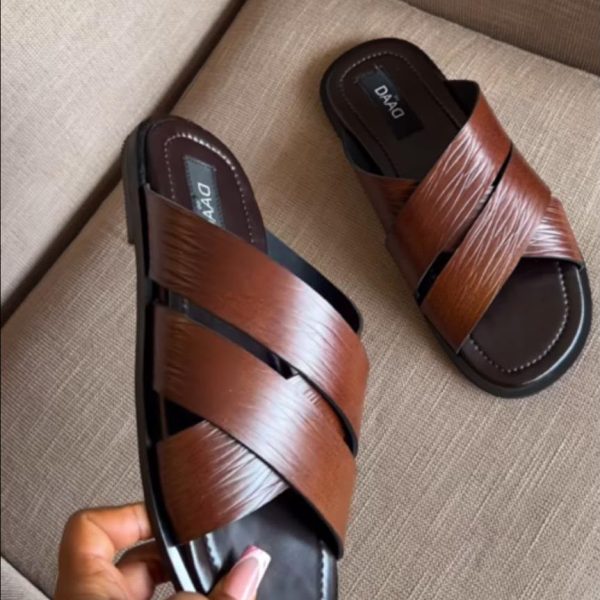
This is an artisanal, open-toe men’s crossover slide crafted in warm, woodgrain-textured brown leather set against a dark chocolate base.
-
Upper Architecture: A triple-strap crossover/criss-cross construction that weaves over the bridge of the foot, offering generous midfoot coverage and a secure fit without restricting movement.
-
Texture & Finish: Embossed with a distinctive striated woodgrain/bark-like grain pattern across the straps, catching light with a subtle, polished sheen.
-
Footbed & Sole: Padded dark-brown leather footbed framed by visible perimeter contrast stitching, mounted onto a low-profile, sturdy flat sole with a softly squared-off toe shape.
-
Branding: Finished with a clean rectangular branded label (“DAAG”) stitched at the heel.
₦22,500.00
9
People watching this product now!
Customer Reviews
Rated 0 out of 5
0 reviews
Rated 5 out of 5
0
Rated 4 out of 5
0
Rated 3 out of 5
0
Rated 2 out of 5
0
Rated 1 out of 5
0
Be the first to review “The Woven-Grain Crossover” Cancel reply
African Craft Deserves More Than a Roadside Table
Chances are there wasn't a market, a platform, or a pathway — there wasn't a system built with the intentionality required to carry African craft to the world. It's cultural commerce gone overlooked right from the start. Simply putting handmade goods on a table at the roadside market wouldn't have helped, won't help now. It's like telling an artisan to just make better products, use finer materials, spend more time on finishing. True enough, but that's not all it takes to get African craftsmanship the recognition it deserves.
The world out there is hungry — hungry for authenticity, for story, for something made by human hands with purpose and heritage behind it.
You have the artisans with generational skill, the raw materials sourced from the earth, the cultural knowledge passed down through families, you have the products, the stories, the identity:
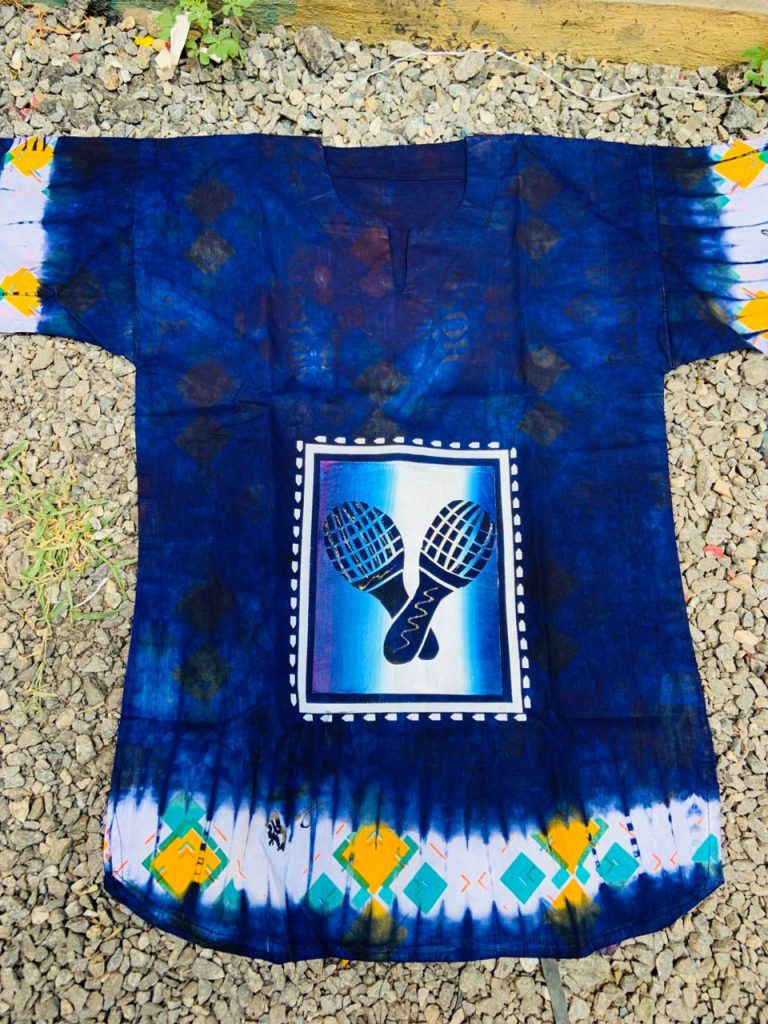
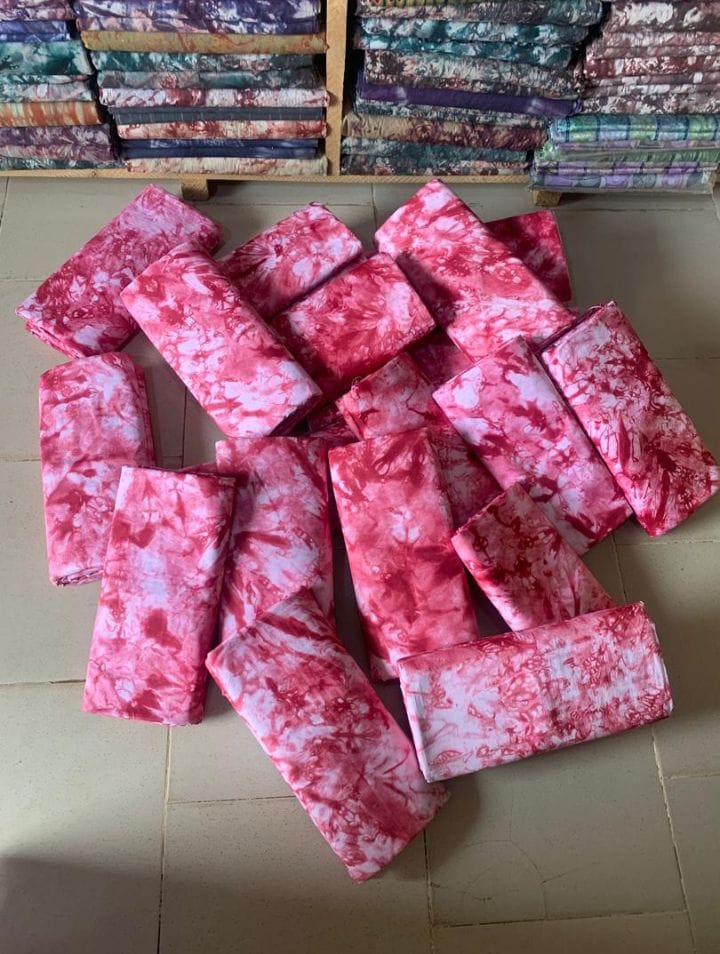
- The Adire fabric your grandmother tie-dyed in the backyard, the coral beads worn at every rite of passage, the calabash carved into art — these are not just products. They are identity.
- But what about reaching the buyer in London, New York, or Dubai? Craft alone, no matter how masterful, will not cross borders without infrastructure, visibility, and trust.
- Authorities in global commerce will tell you in no uncertain terms that authenticity without accessibility is a huge, huge missed opportunity — forever.
- Not so fast, I'd say — there are redeeming factors in favour of starting where you are, because invisibility is merely the symptom of a worse problem to take into consideration.
- Artisans in Africa are working without digital presence.
- Global platforms and e-commerce systems ensure that you can show the same handmade product to thousands of different buyers across different markets, languages, and currencies using the same storefront.
- When it's about connecting hundreds of artisans, product listings for online shops, or cultural stories tied to each unique piece — all of them with different origins, materials, and meanings — things can get lost, cultural value can be misrepresented, and what arrives at the buyer's door can feel much less significant than what left the artisan's hands.
This is quite a problem to solve, but simply listing products online won't fix it. Pairing each product with its story, its maker, and its cultural context will help — but there's no guarantee every artisan will be found and celebrated. Do you want to be sure? Then a full platform — one that trains artisans, curates authentically, and markets globally — is what's needed. And that is exactly what Real African Stores is building.


Reviews
Clear filtersThere are no reviews yet.